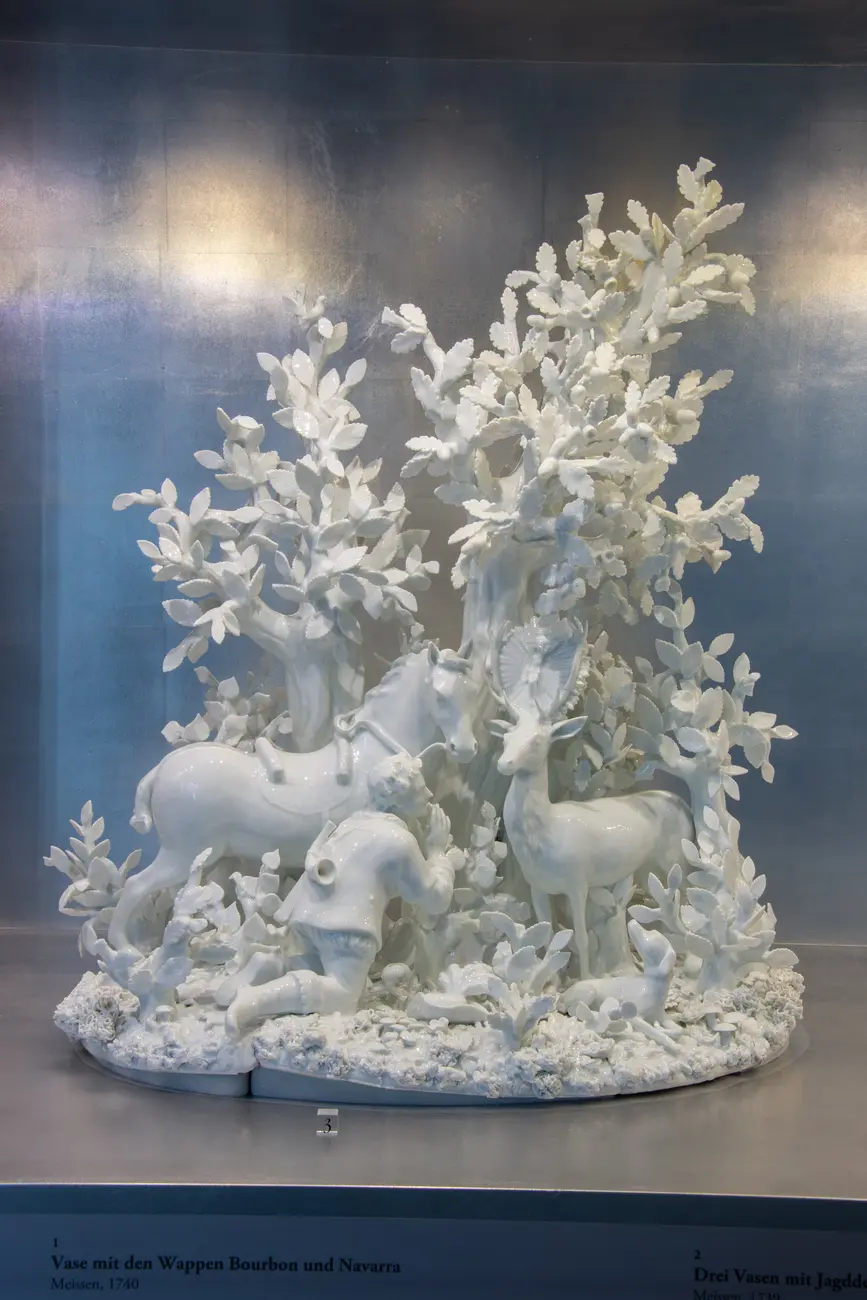
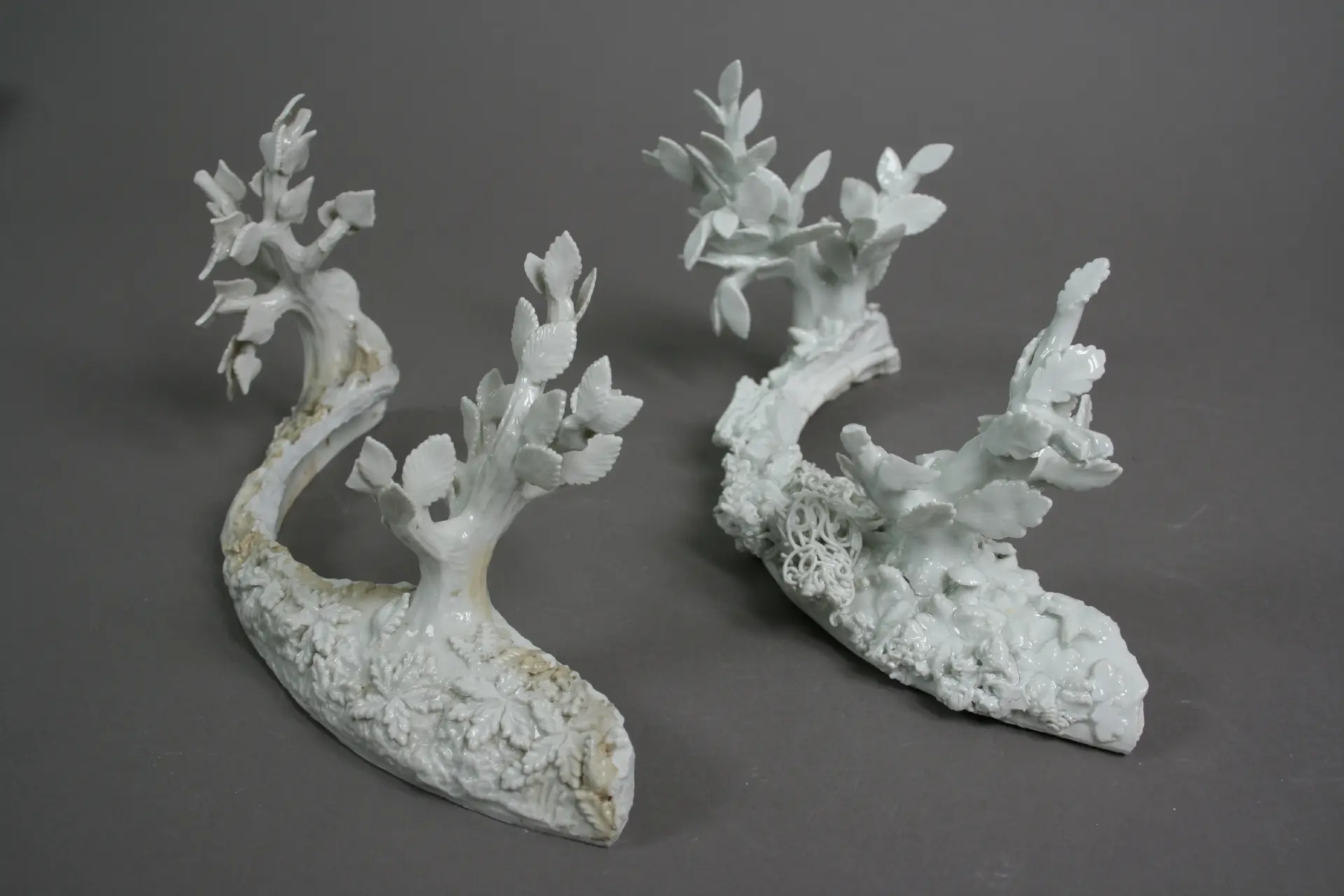
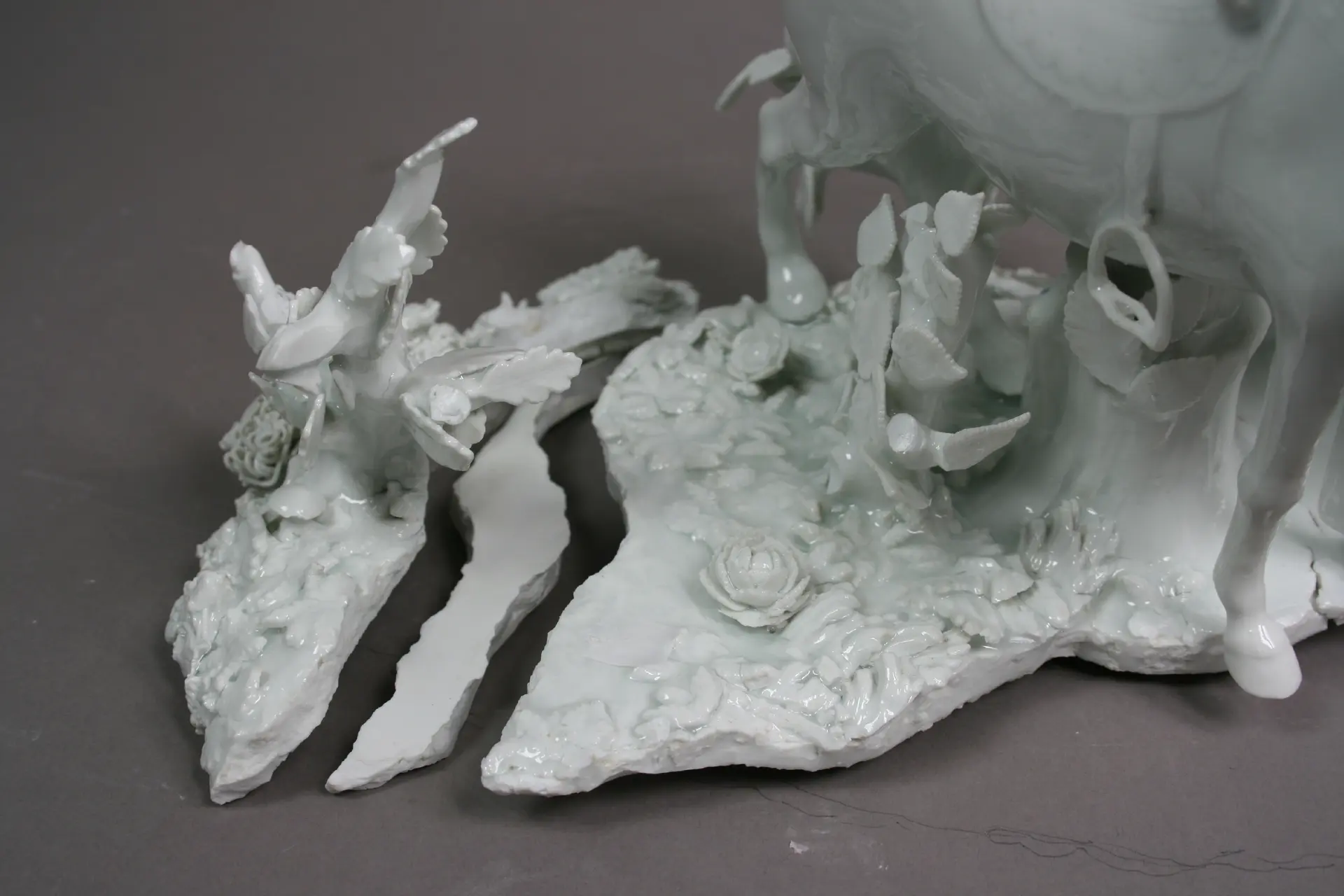
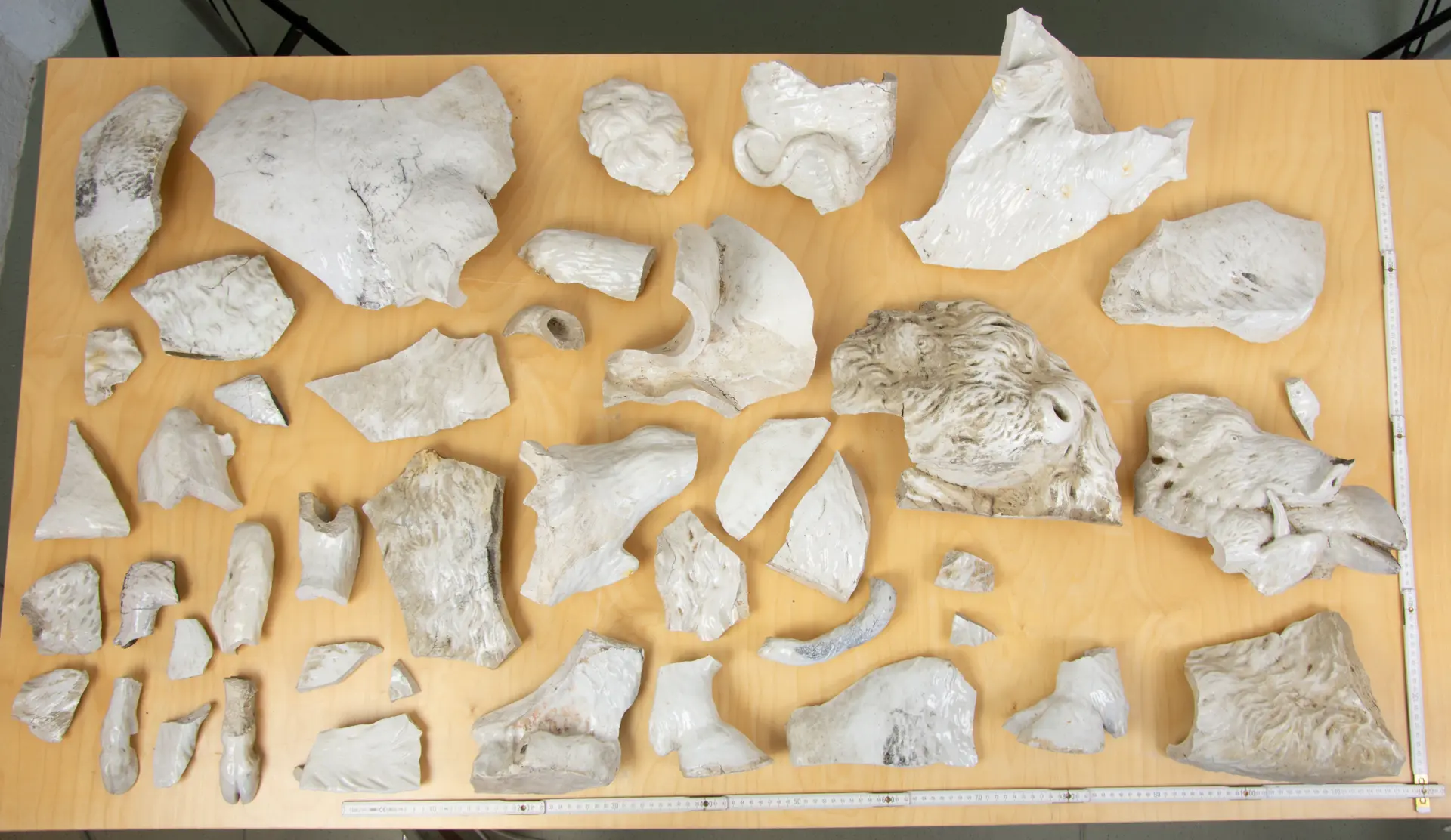
Deutschland, Sachsen, Dresden, Staatliche Kunstsammlungen
© SKD / Juergen Loesel

Joining the Shards

To this day, wars and armed conflicts continue to leave a deep mark on our ceramic cultural heritage - ranging from physical damage to the loss of historical context. In the EU-funded project “Joining the Shards,” museums and research institutions from across Europe are working together to further develop successful methods of conservation, restoration, and documentation, and to open up new avenues for exhibitions, education, and storytelling.


Projektteam
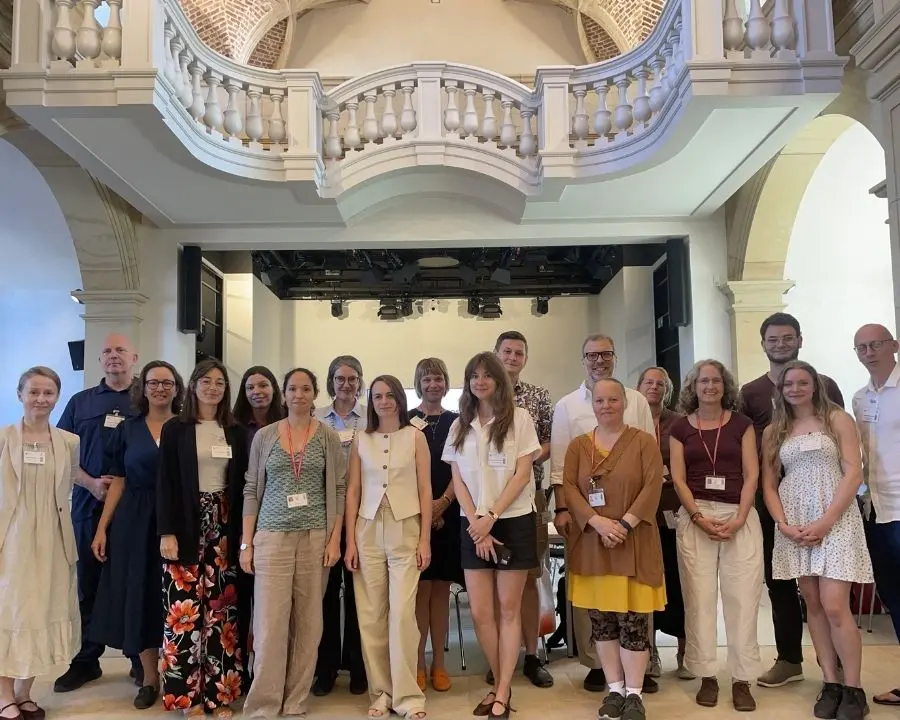
Projektteam Das Projektteam bestehend aus Mitarbeiter:innen des MIC Faenza, Muzeum Ceramiki w Bolesławcu, War Childhood Museum, Consiglio Nazionale delle Recerche, The Khanenko Museum und der Porzellansammlung der SKD

The aim of the project

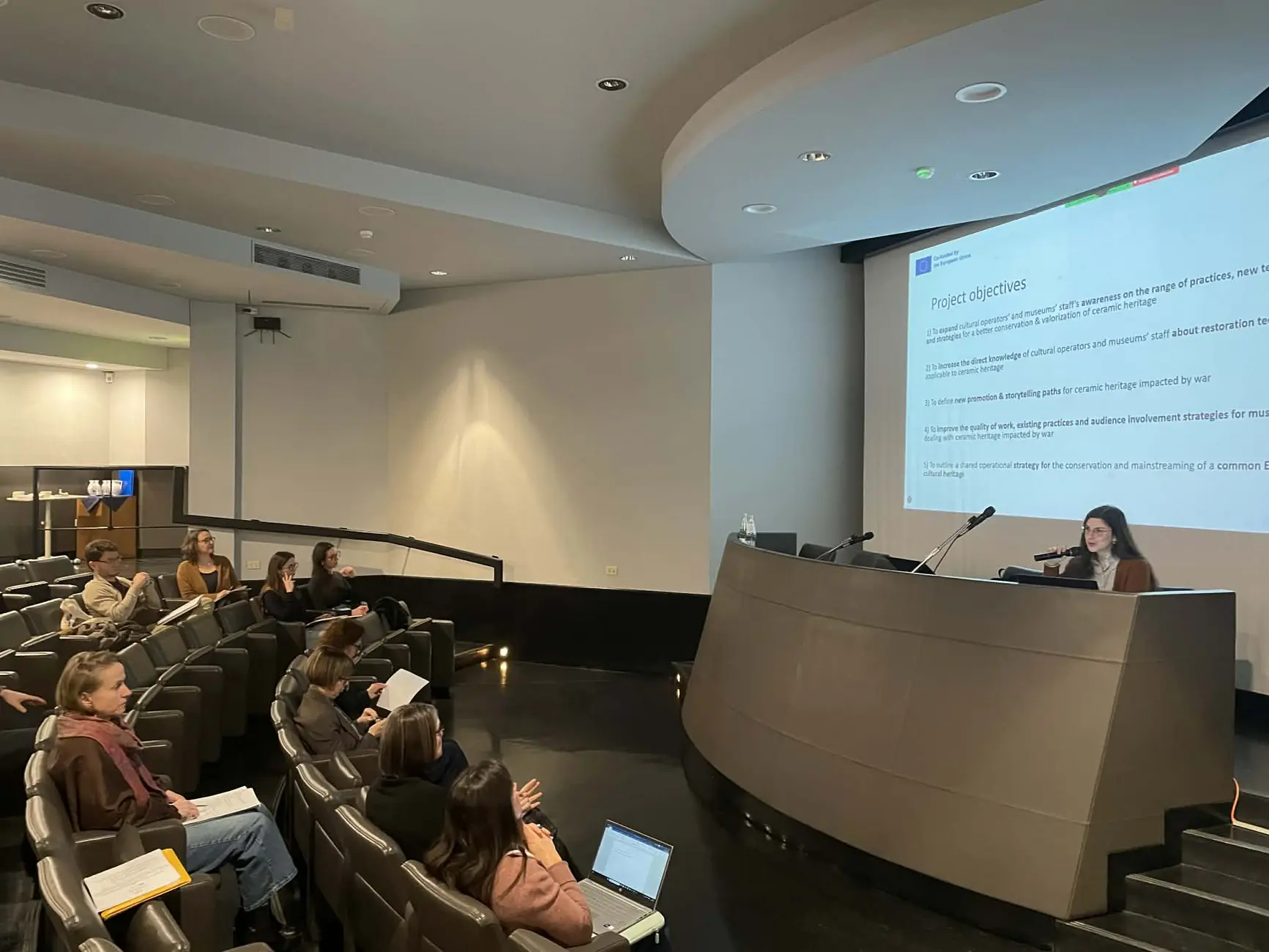
The aim of the “Joining the Shards” project is to enhance the competences of museum and cultural institution professionals in the field of conservation of ceramic artefacts, particularly those affected by armed conflicts, as well as in historical narration and education concerning ceramic heritage destroyed as a result of warfare.

Innovative methods and modern technologies in ceramic restoration are at the heart of the project's approach while also building awareness among museum professionals of how to effectively and engagingly communicate the tragic histories of fragile artefacts and involve audiences in these narratives. In addition, the project foresees the development of introductory guidelines for the conservation of war-affected ceramic heritage. It also explores ways of integrating previously unexhibited cultural heritage related to these issues into permanent and temporary exhibitions, making these approaches available to interested museum institutions in the future.

Six partners are implementing the project: 

Each institution brings unique expertise to the collaboration—ranging from conservation and research to restoration technologies, as well as the development of new narratives for educational programs and audience engagement activities.

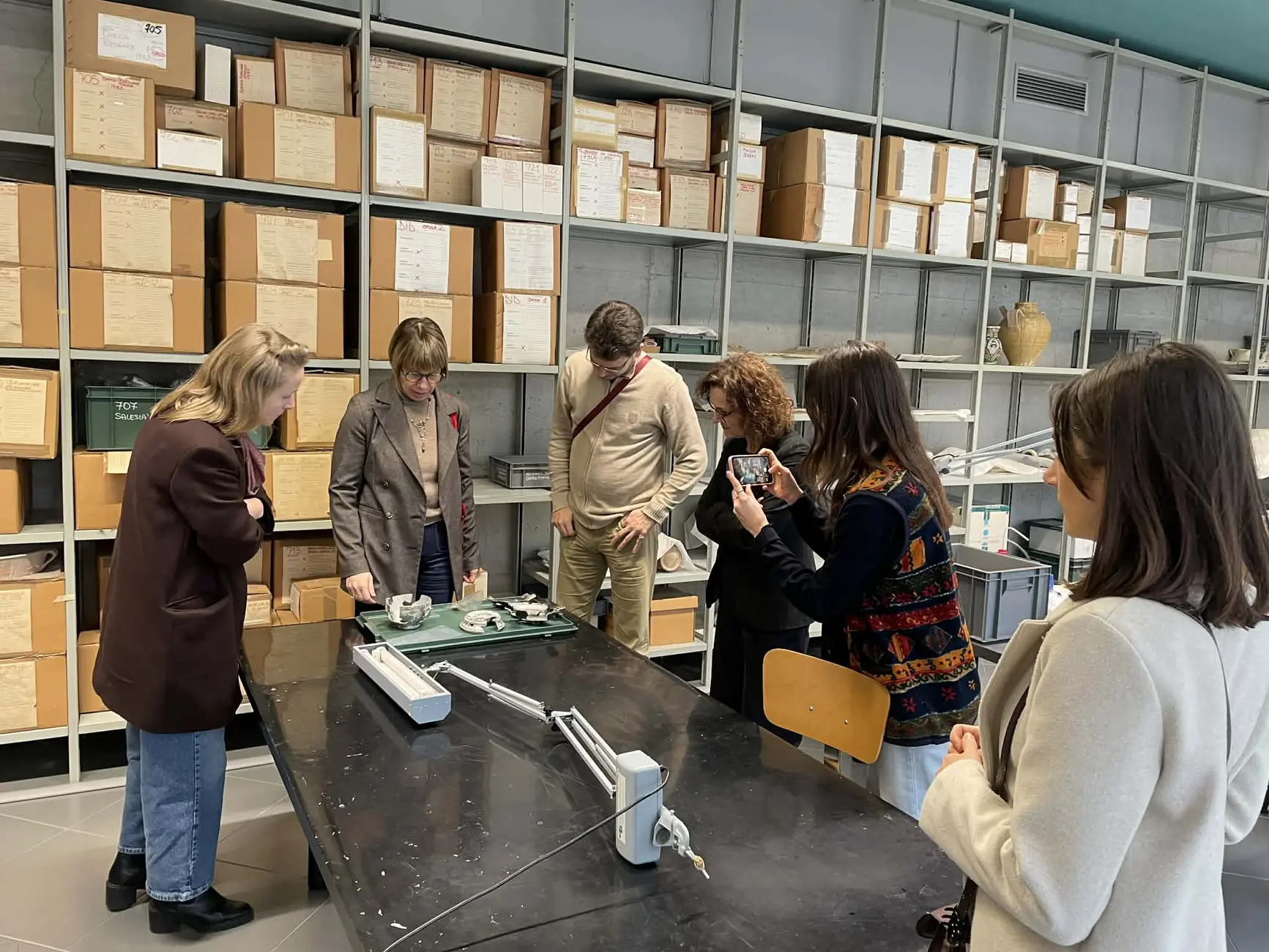
Over the course of two years, the partners will organise joint workshops, specialist training sessions, study visits, technological pilot projects, and activities related to developing new narrative approaches around collections. They will also test innovative conservation solutions and methods for increasing audience engagement.

This initiative emerged from the need to combine specialist conservation expertise with modern approaches to communication and exhibition-making. Ceramic heritage affected by conflict often remains difficult to interpret, rarely displayed publicly, and insufficiently used for educational purposes. At the same time, advances in conservation, digital, and narrative technologies are creating entirely new opportunities for museums. This project connects professional education with the protection of cultural heritage. At the same time, it strengthens Europe's shared cultural memory. Conservation is not only about saving objects, but equally about recovering the stories behind them. Bound up with these are emotions and meanings that can foster contemporary dialogue about memory, armed conflict, and Europe's shared cultural heritage.

“Joining the Shards – Upskilling of museum operators for the valorization and narration of EU ceramic heritage impacted by war” project is co-funded by the European Union under the Erasmus+ Programme.


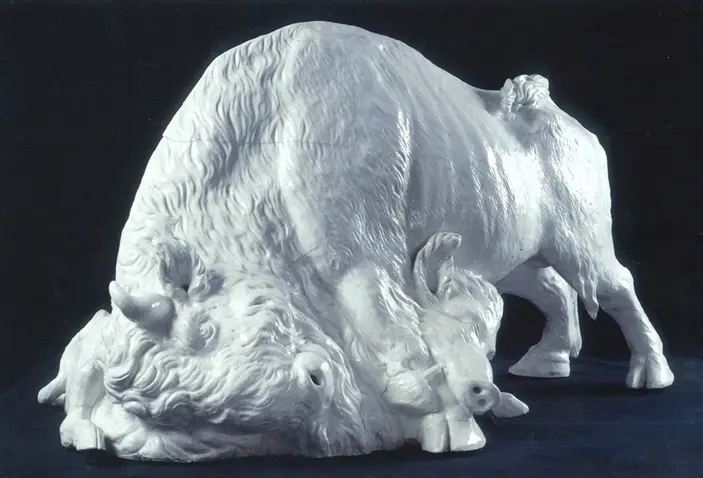
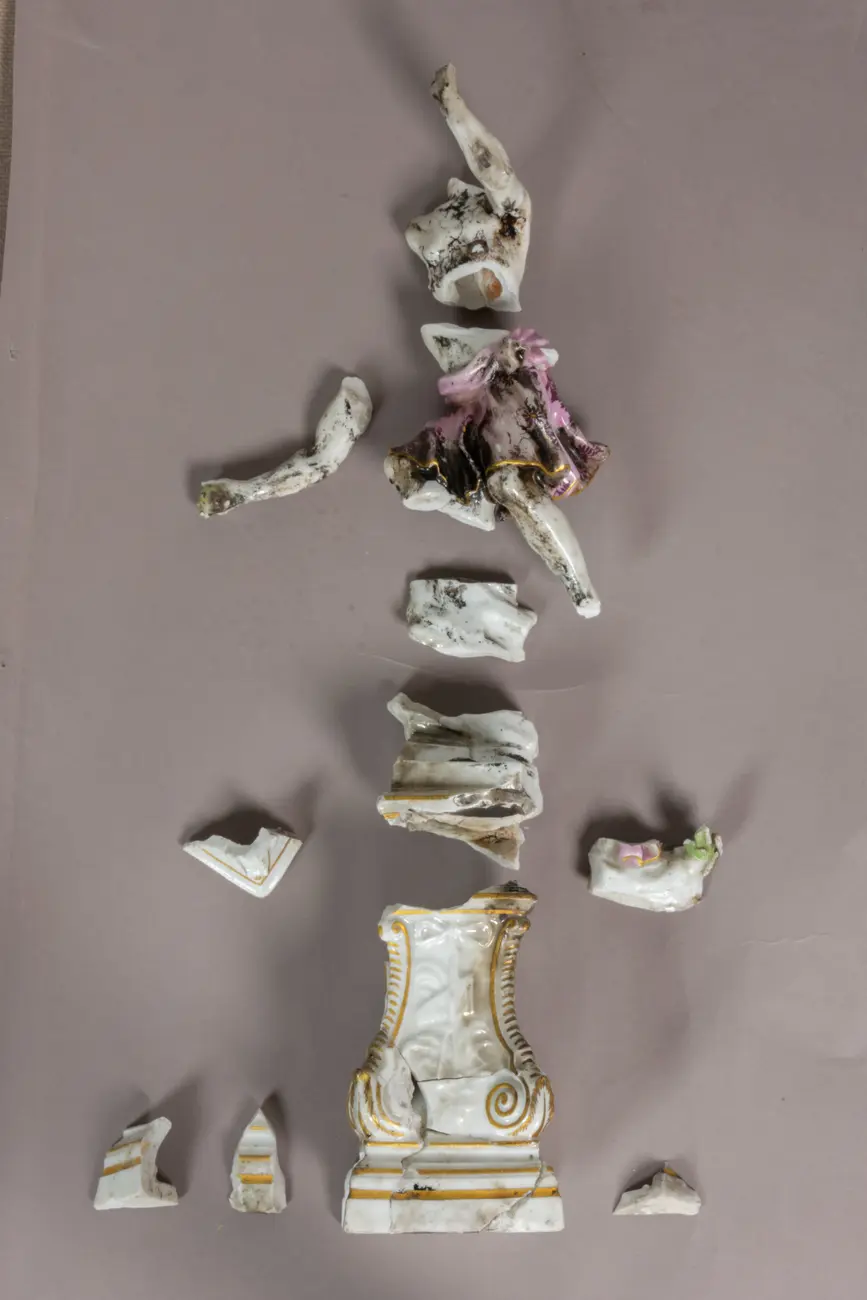
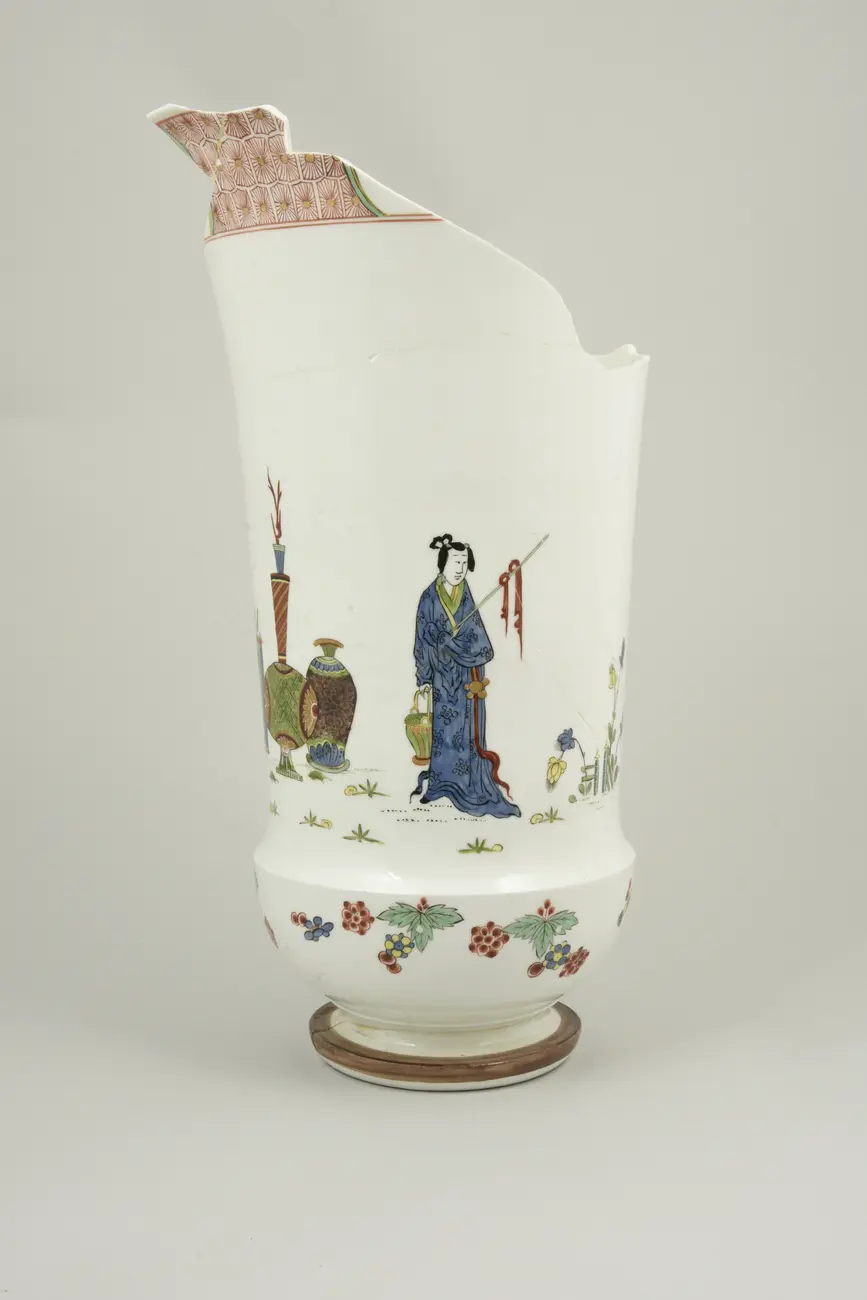
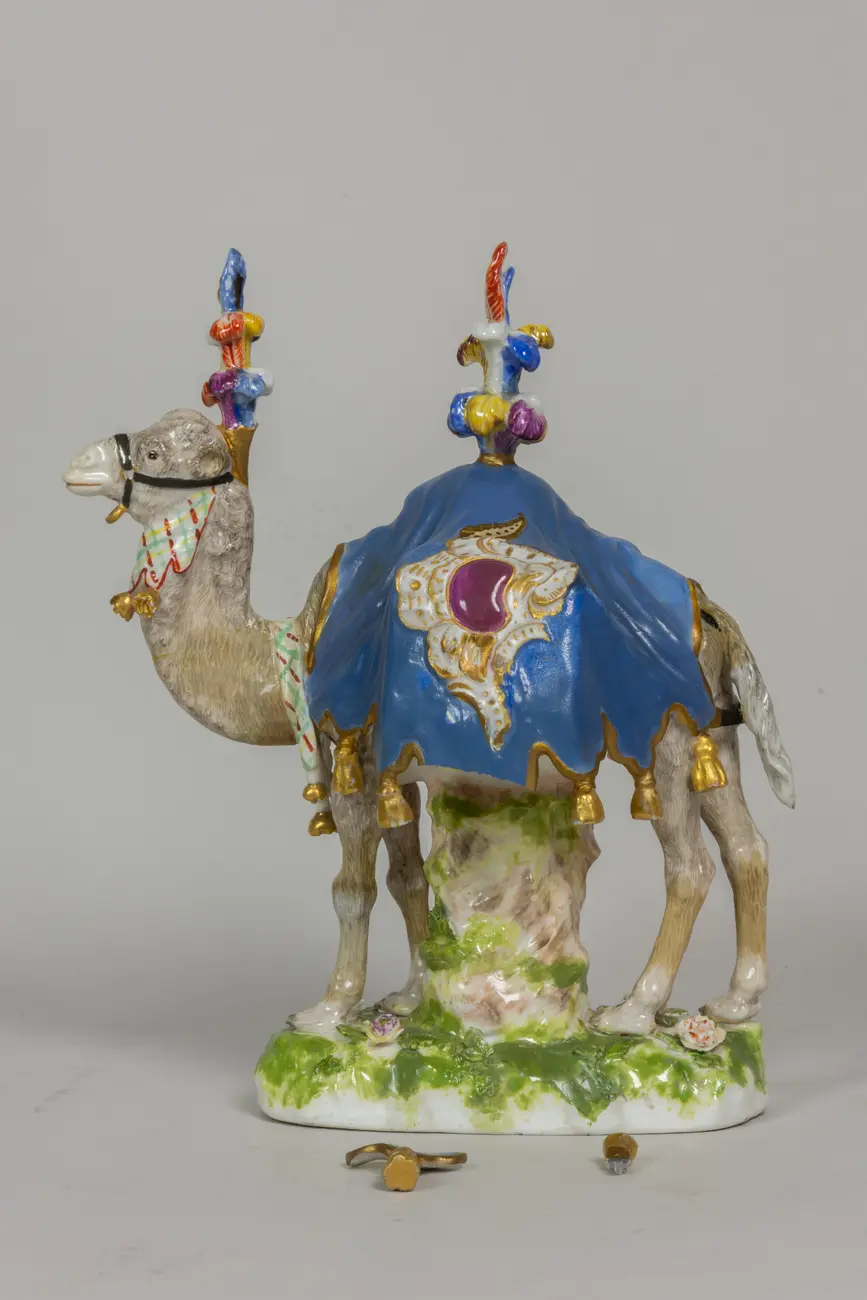
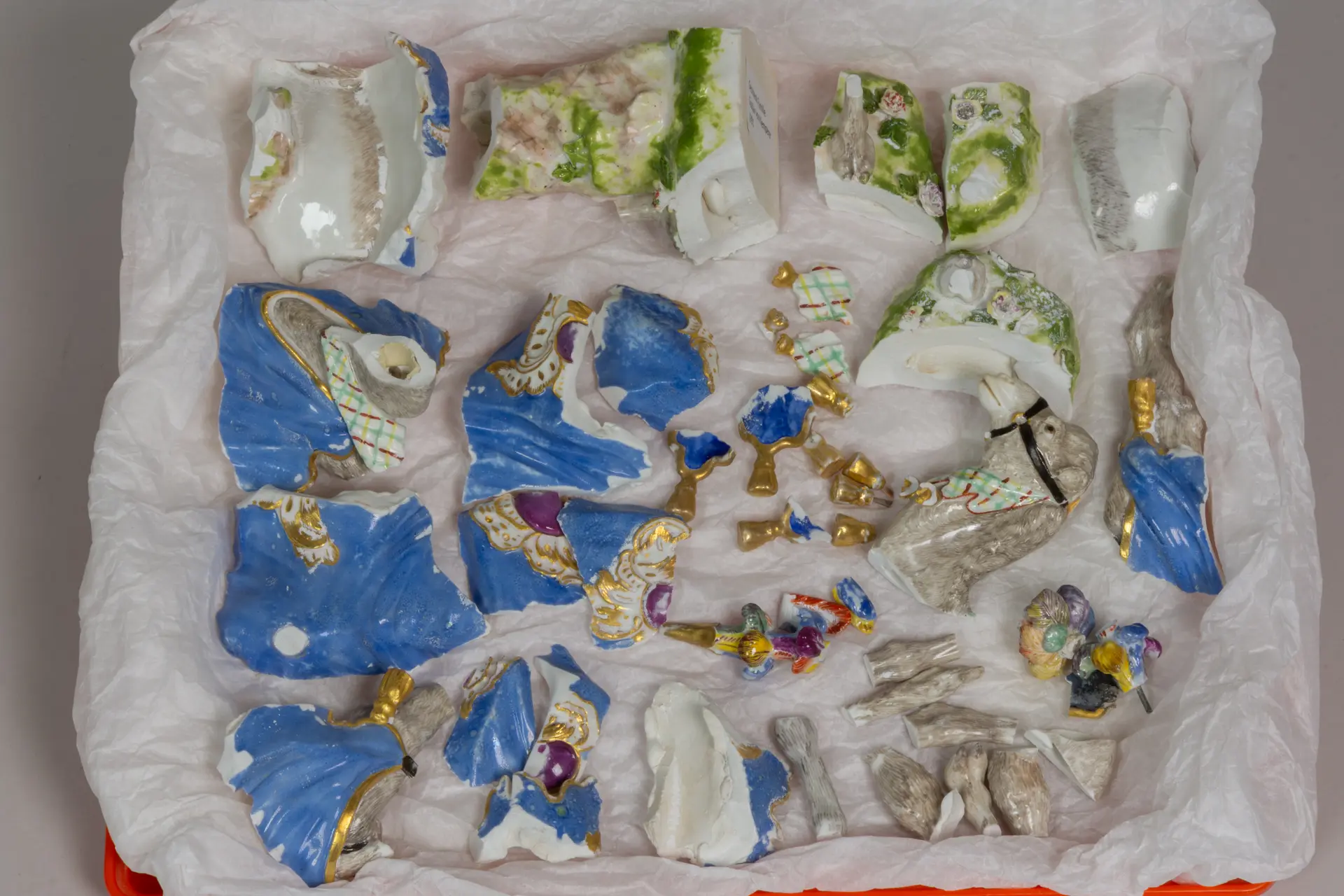
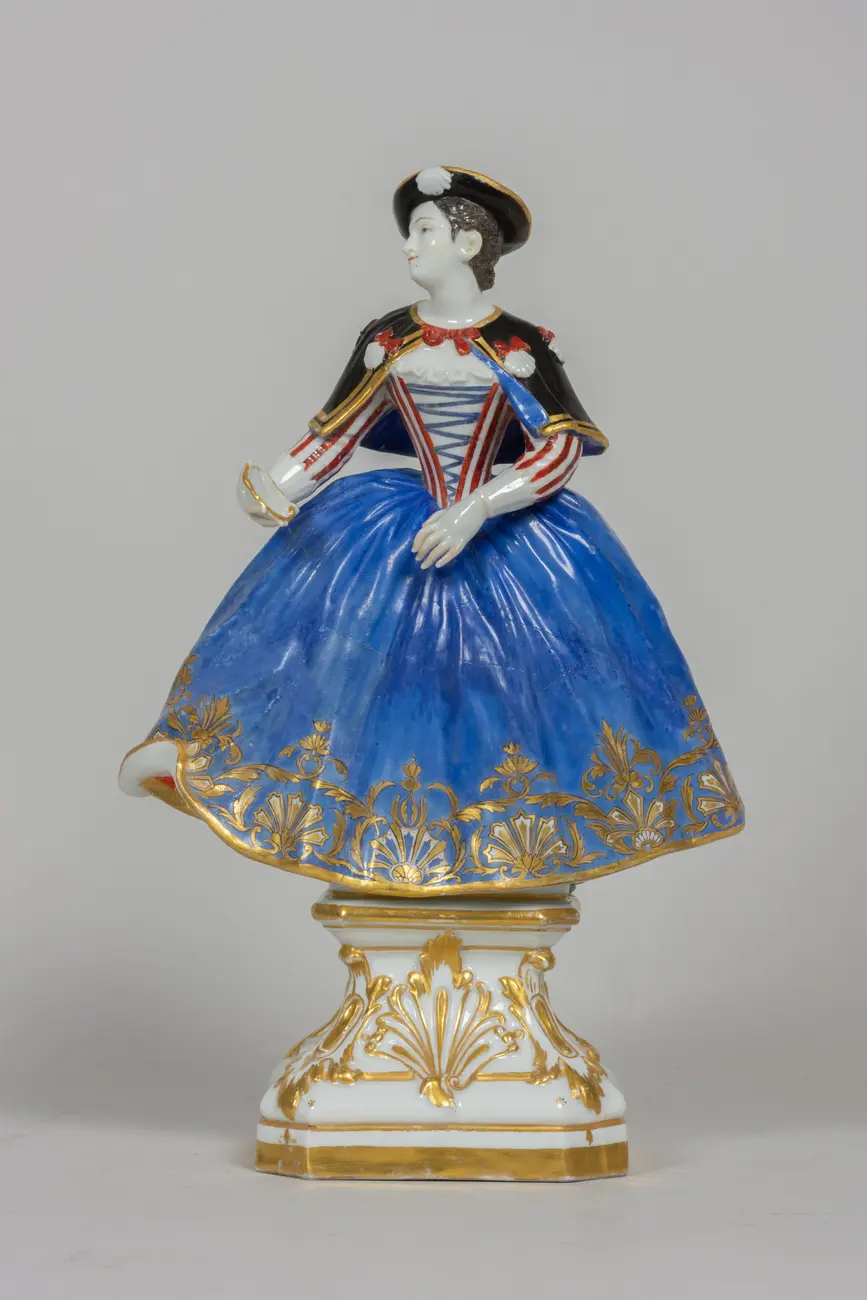
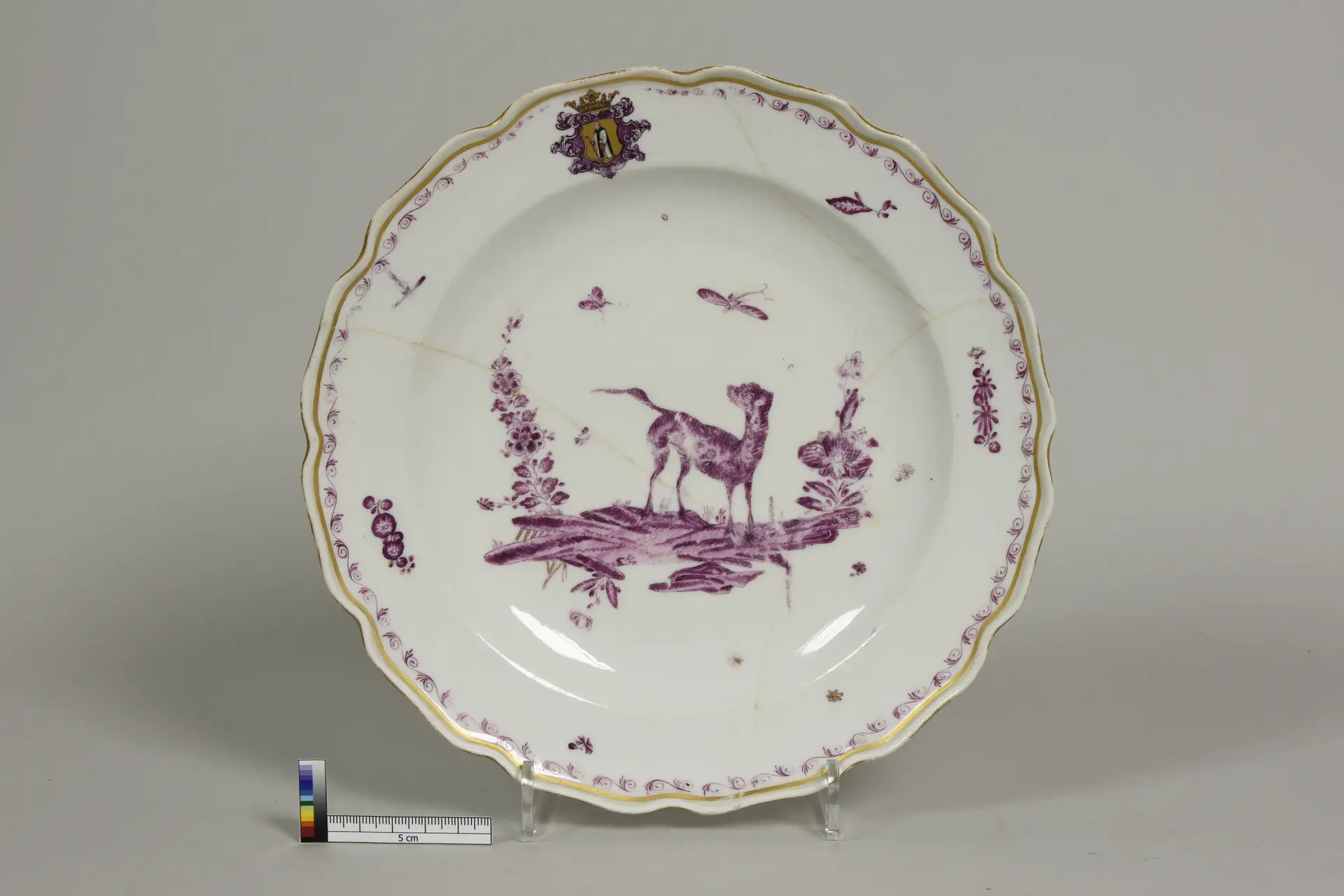
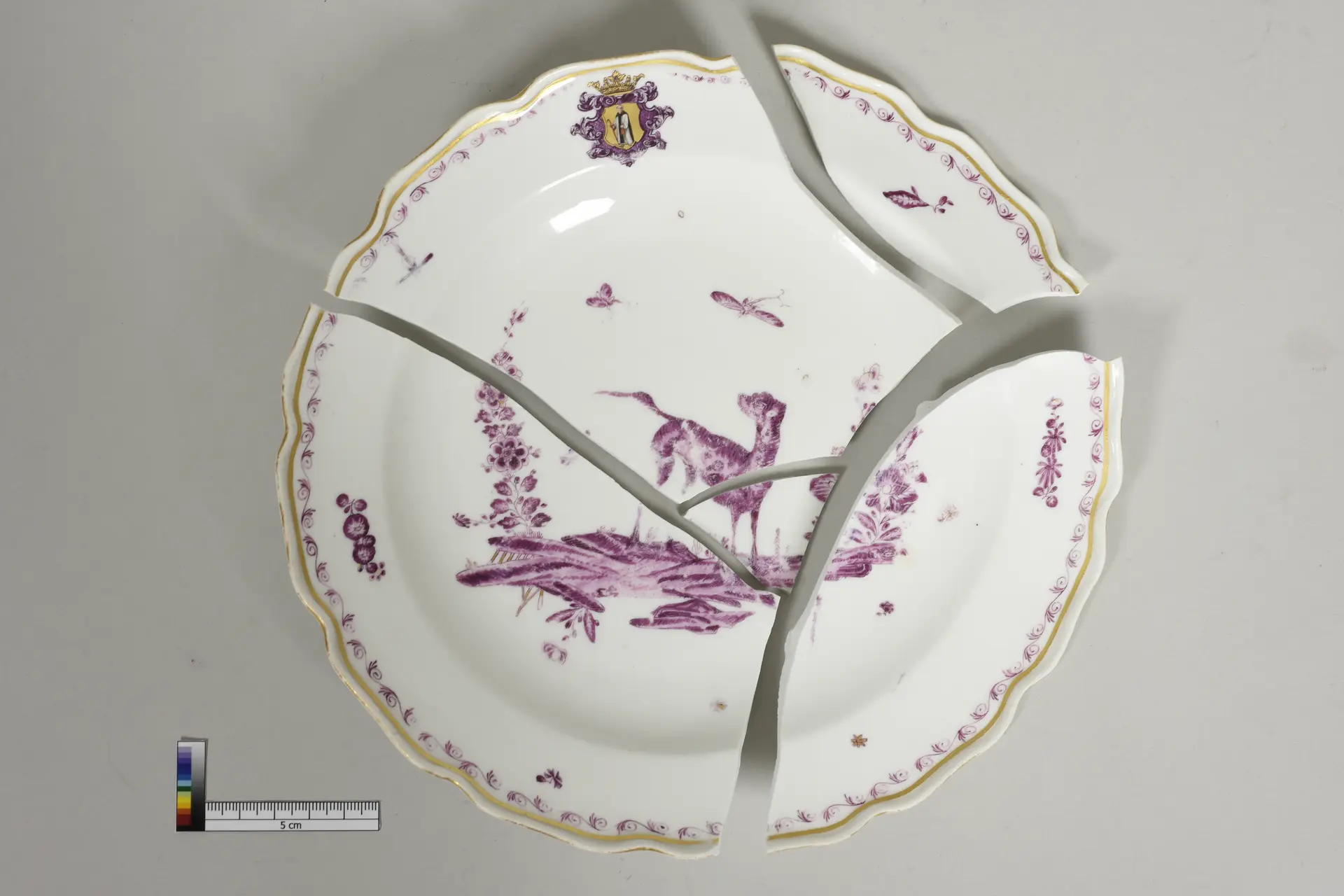
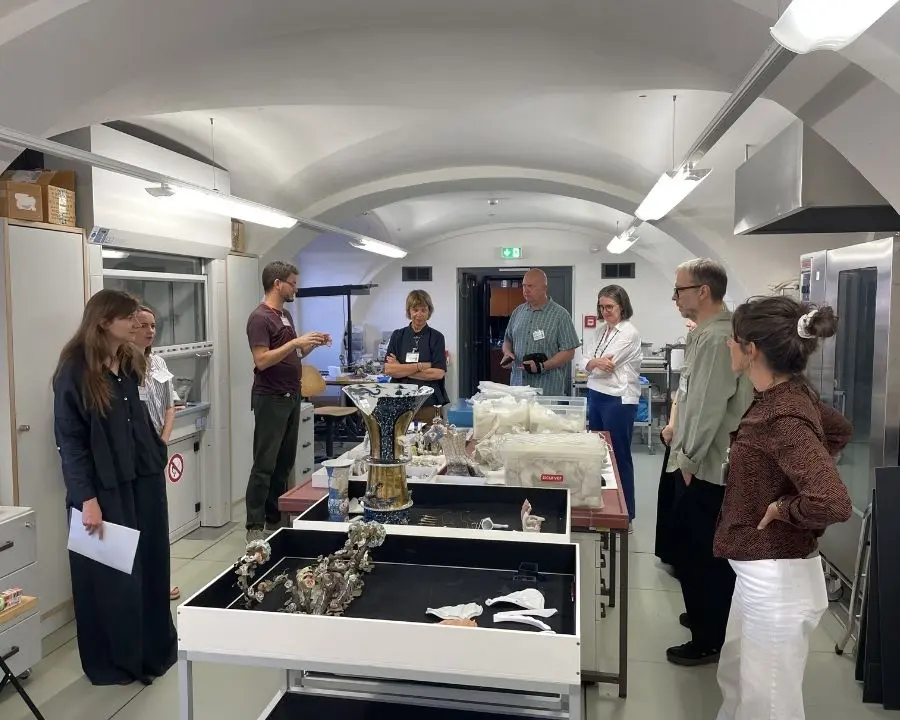
War-Damaged Items in Our Collection

Was bisher geschah...

Kick-off Meeting at the Museo Internazionale delle Ceramiche in Faenza on 22 January 2026

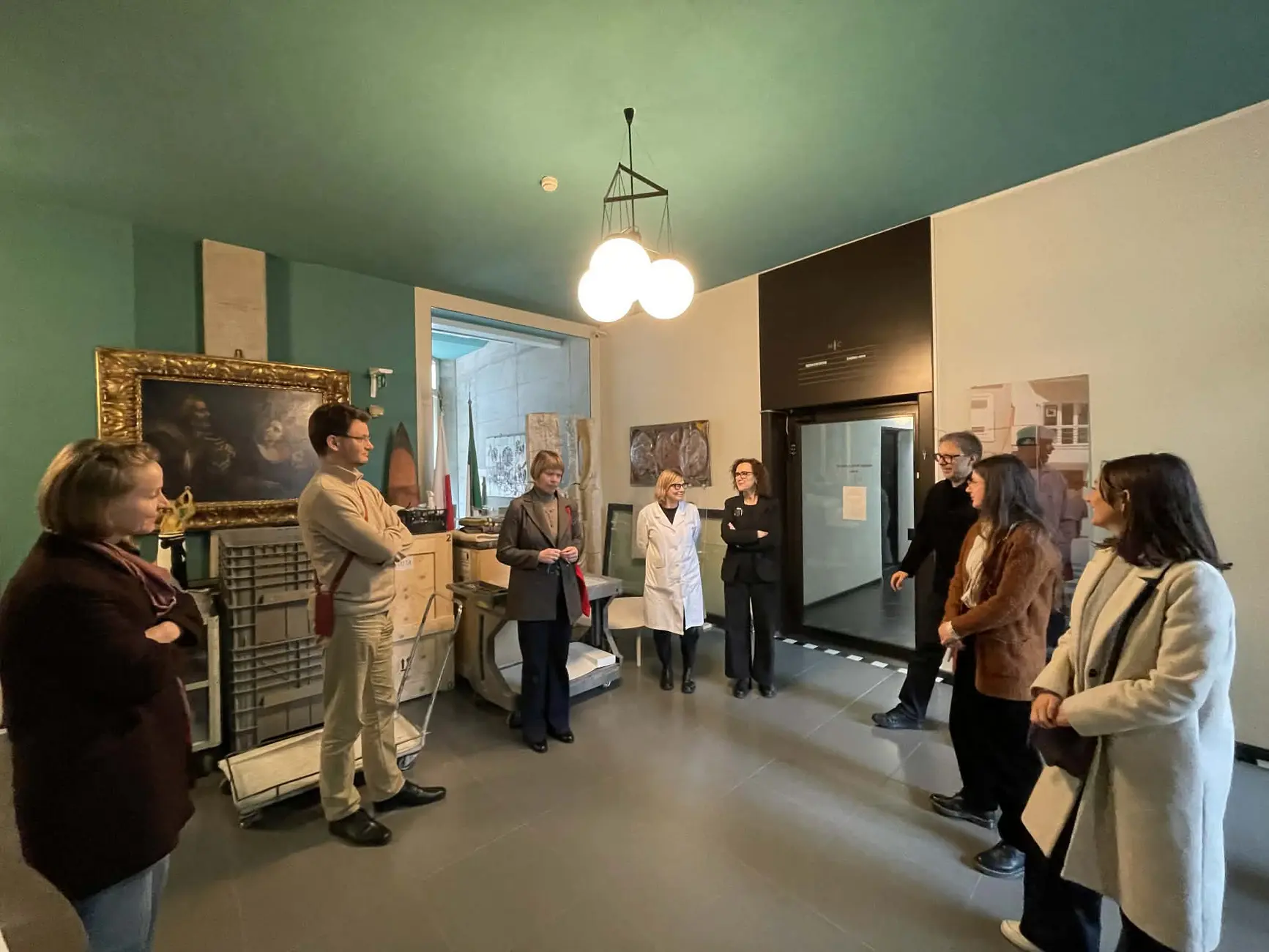
The first meeting took place at the Museo Internazionale delle Ceramiche in Faenza on 22 January 2026. The kick-off meeting, dedicated to the protection and promotion of ceramic heritage—with particular focus on objects damaged as a result of war—was attended by project partners: Fondazione MIC – Museo Internazionale delle Ceramiche in Faenza (Italy), Consiglio Nazionale delle Ricerche (Italy), Porzellansammlung der Staatlichen Kunstsammlungen Dresden (Germany), and the War Childhood Museum (Bosnia and Herzegovina).

During the meeting, the project’s upcoming research and conservation activities were discussed, and the assessment of the condition of the ceramic heritage concerned was initiated. The project will also collect and document best practices in conservation, restoration, and storytelling. International workshops, study visits, specialist training sessions, and communication and educational activities are planned to support the wider dissemination of the project’s results.

Auftakttreffen im Museo Internazionale delle Ceramiche in Faenza am 22. Januar 2026

2nd Transnational Project Meeting und Workshops hosted by the Porclain Collection of the State Art Collections in Dresden 23 June till 25 June 2026

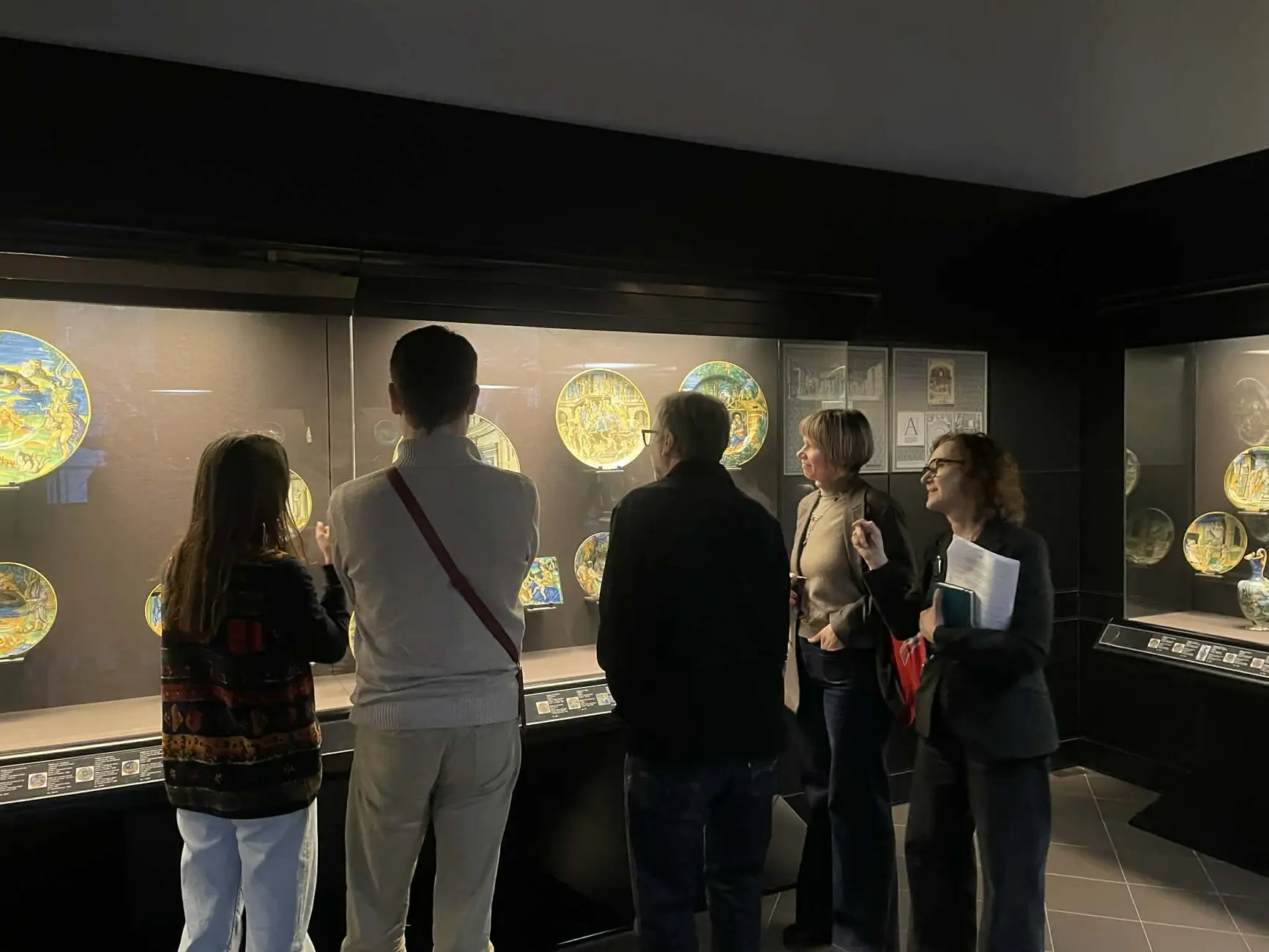
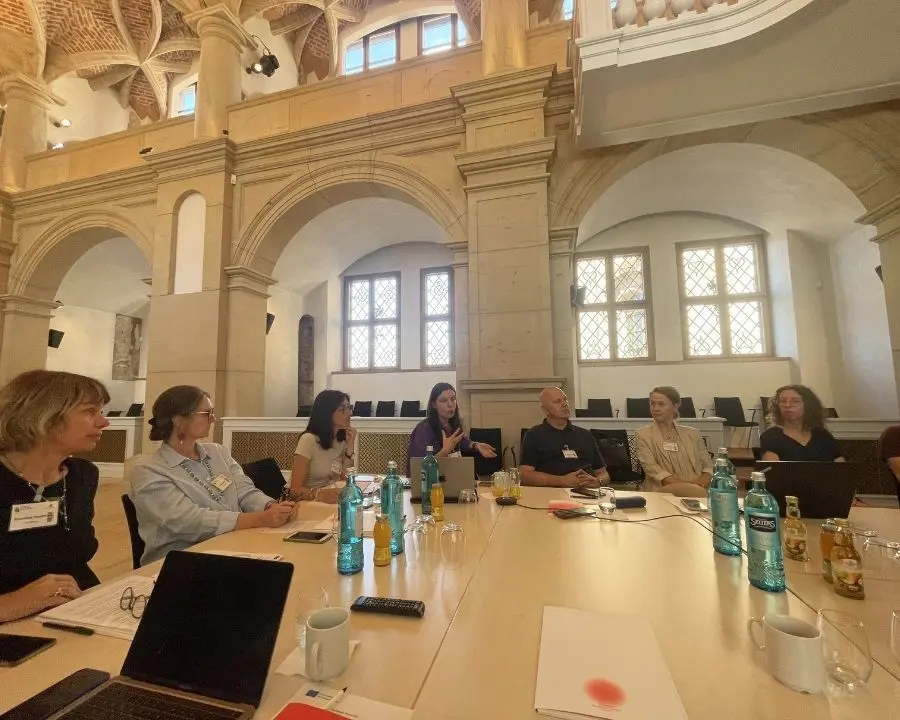
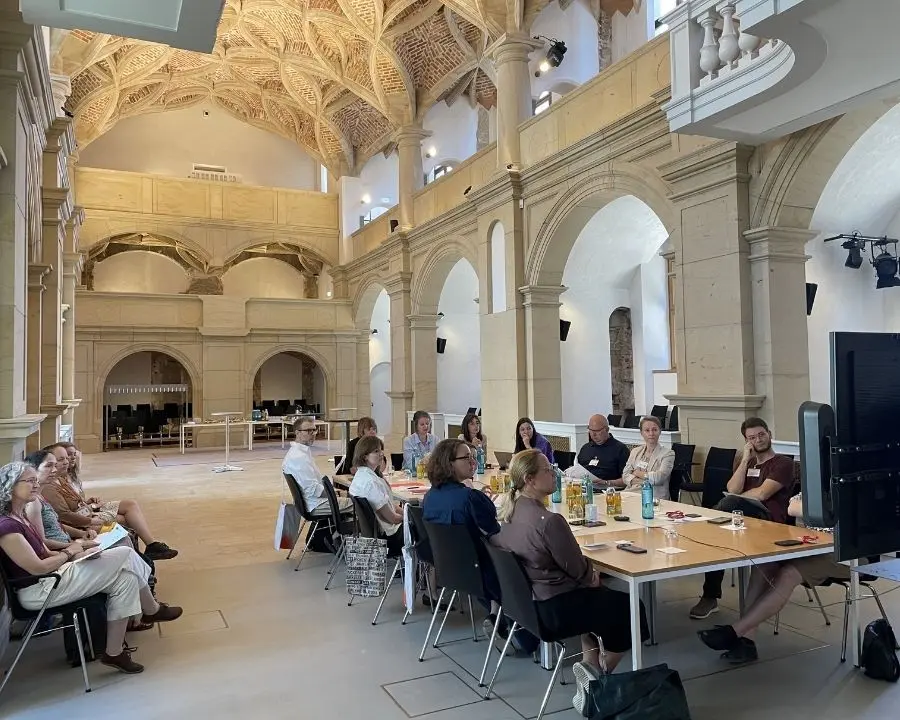
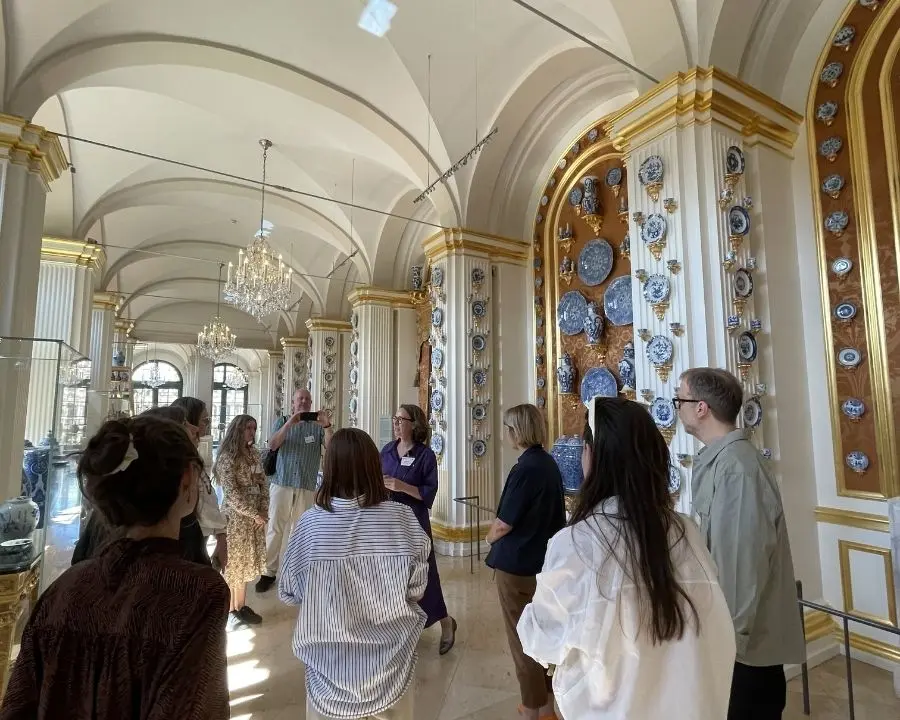
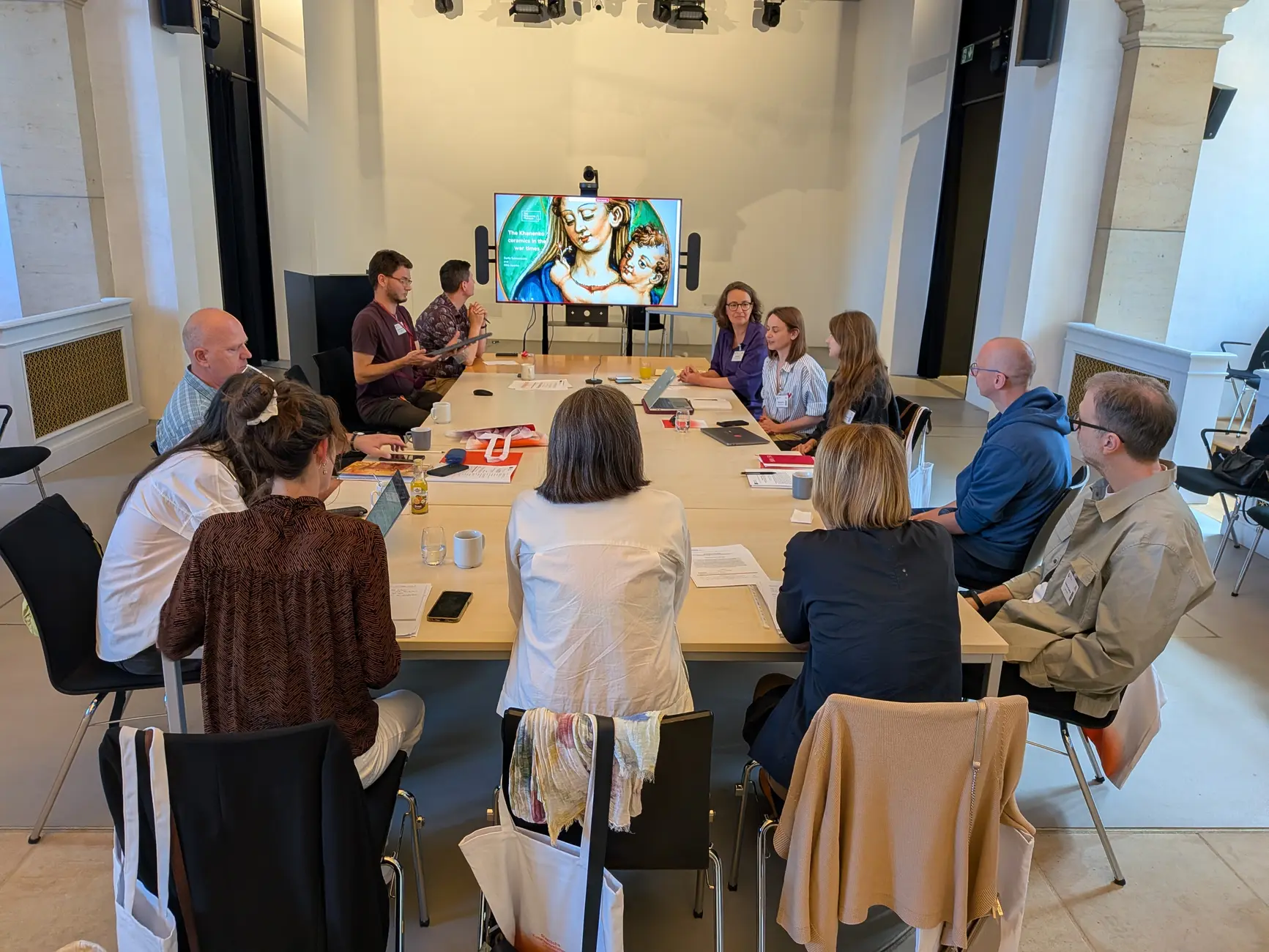
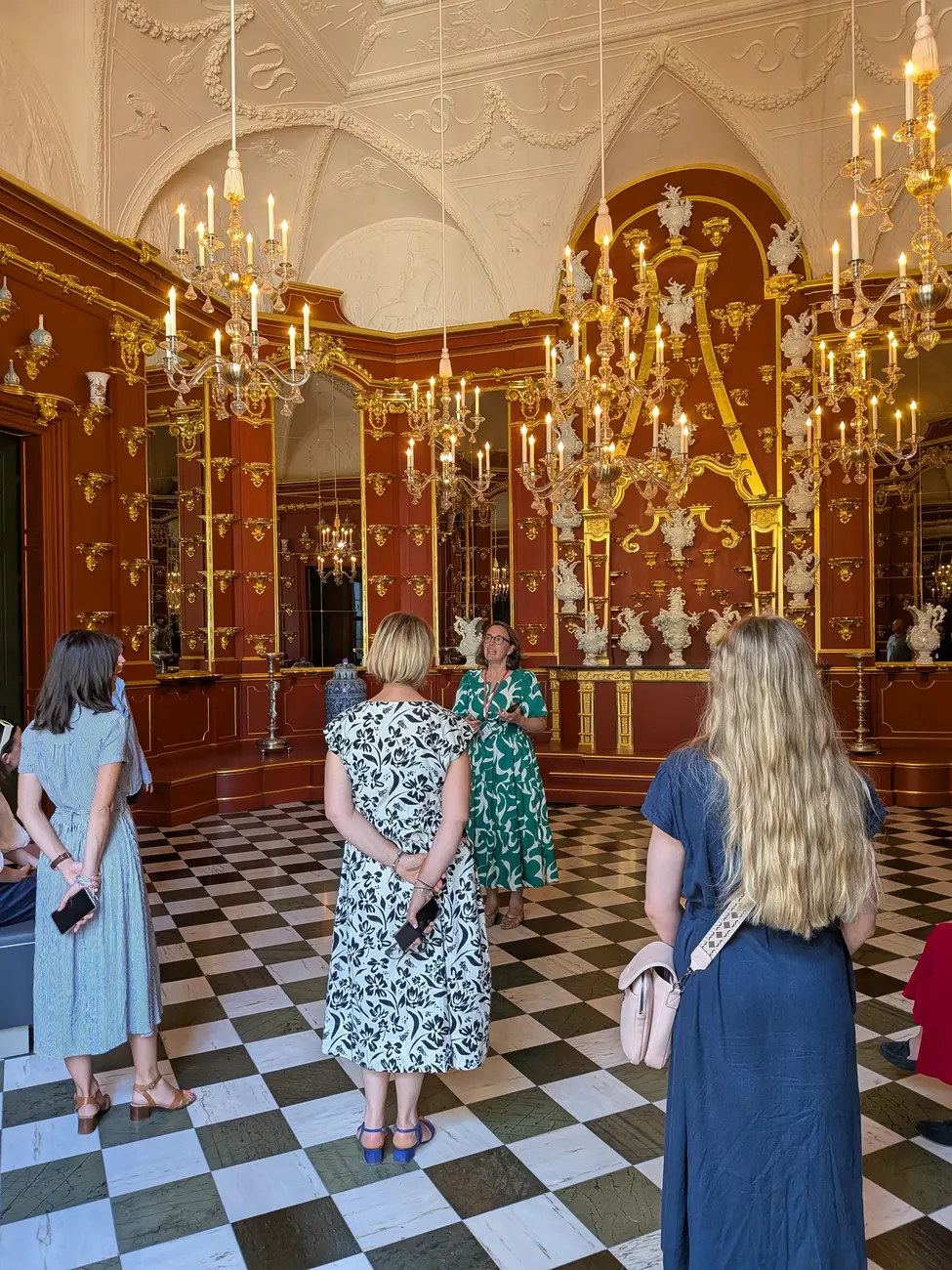
From June 23 to 25, 2026, the partners of the Erasmus+ project “Joining the Shards” gathered at the Porcelain Collection of the Dresden State Art Collections for their second transnational project meeting, which included various workshops. The meeting focused on evaluating the project-wide survey on war-damaged ceramics in the partner museums. It also provided an opportunity to exchange existing practices in restoration, conservation, and storytelling and to coordinate the next steps of the project. The program was complemented by a presentation on the Khanenko Museum and a guided tour of the Dresden Porcelain Collection. In the workshops, the partners discussed best practices in restoration, storytelling methods, and the use of new technologies for the conservation of ceramic cultural heritage. Finally, they developed the structure and content of a joint guideline that brings together best practices in restoration and education and is intended to serve as a practical resource in the future.

2. transnationales Projekttreffen und Workshops, veranstaltet von der Porzellansammlung der Staatlichen Kunstsammlungen Dresden, vom 23. bis 25. Juni 2026

Upcoming Events

our partners

MIC Faenza

The MIC Foundation is an organisation established in Faenza, supported by contributions from public and private bodies. The Foundation pursues objectives of social solidarity and the common good. Its main tasks include the protection, promotion and further development of the ceramic heritage at national and international level. It runs the International Museum of Ceramics in Faenza and develops complementary activities to promote this heritage, including public engagement, educational programmes, research, restoration projects and publications. It supports the ceramic tradition through cultural initiatives and seeks to secure resources to expand the museum’s collections.

MIC Faenza

Muzeum Ceramiki w Bolesławcu

The Ceramics Museum in Bolesławiec was established in 1950 on the site of the pre-war Municipal Museum, which had been founded in 1911 in the building at 13 Mickiewicza Street. It is the largest ceramics museum in Poland and in Central Europe, and houses the world’s largest collection of Bolesławiec ceramics.

Consiglio Nazionale delle Ricerche

The Institute of Photonics and Nanotechnologies was formed through the merger of three CNR institutions active in the field of nanotechnologies and advanced materials and components for photonics and electronics: the Centre for Quantum Electronics and Electronic Instrumentation (CEQSE) in Milan, the Centre for Physics of Condensed Matter (CeFSA) in Trento and the Institute for Solid-State Electronics (IESS) in Rome. Among the most important pieces of equipment developed or acquired by the department are: a system for the synthesis and characterisation of materials using supersonic jets (unique internationally); equipment for the fabrication and characterisation of planar waveguides; an XEOL system for X-ray photoluminescence; laser and ion systems for the detection of trace amounts of volatile elements; and a system for characterising the feedback noise of SQUID amplifiers.
Projektpartner

War Childhood Museum

The mission of the War Childhood Museum is to continuously document and digitise material relating to growing up during wartime to the highest standards, and to present the archived material through various media channels in order to educate a wide audience about this experience. The vision of the War Childhood Museum is to help individuals overcome past traumatic experiences and prevent others from suffering trauma, whilst promoting mutual understanding at a collective level in order to enhance personal and social development.

The Khanenko Museum

The history of the Khanenko Museum dates back to the 1870s, when Bohdan Khanenko married Varvara Tereshchenko. The newlyweds were fascinated by the idea of building up their own art collection. The result of over 40 years of collecting is an extremely valuable, encyclopaedic art collection in Kyiv.

Co-funded by:

EU

partners

We are using cookies!

You can revoke your consent at any time.

The Staatliche Kunstsammlungen Dresden uses cookies to provide you with an optimal website experience. These primarily include cookies that are necessary for the operation of the website.

Click on "Accept all" to accept all cookies. You can change and revoke your consent at any time. For this purpose, the "Change cookie settings" button is available at the bottom of the page. Functional cookies will continue to be executed even without your consent.

If you would like to adjust the cookies used, you can reach the settings via the "Select" button.

You can find more information under Privacy or Imprint.

To top